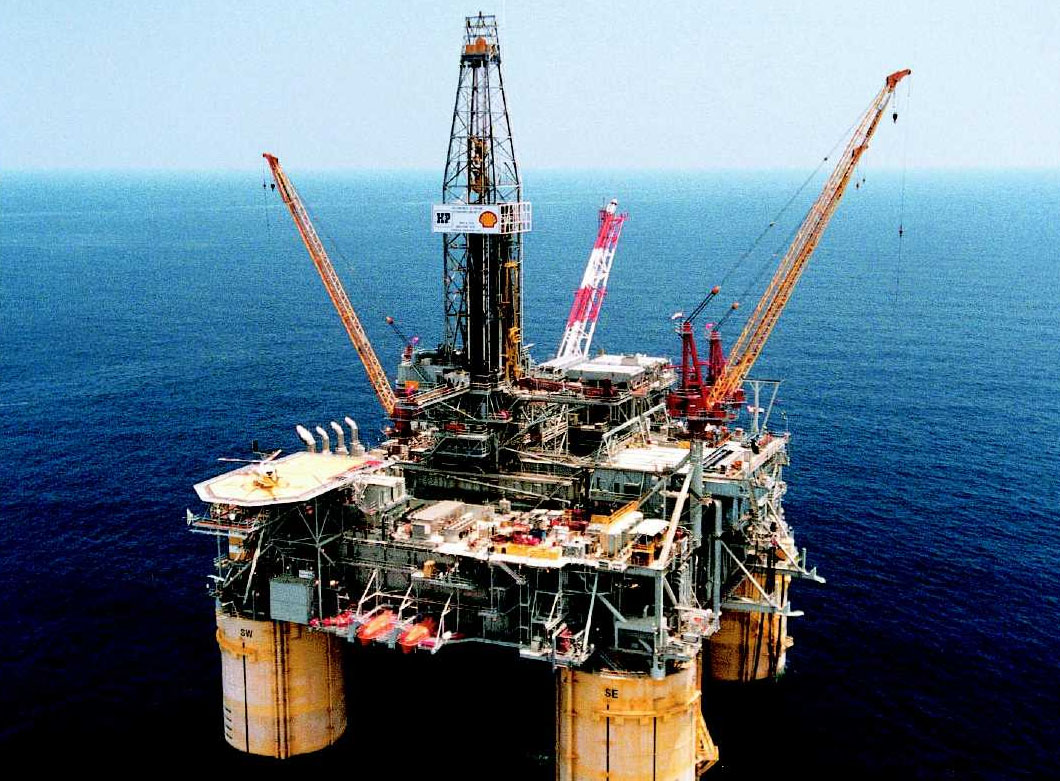
Oil Hike on the way?
Looks like we'll be soon confronting higher oil prices again. But the paradox is that the prices will remain low as long as the economy is in a slump. The moment it picks up the pace and starts wanting more fuel to power its machine the prices will start flying.
This Economist report quotes analysts as predicting the arising of more 'super cycles' where the usual boom bust commodity cyles are interrupted and longer periods of price increases are seen as developing economies start absorbing and draining resources and thereby initiating prolonged (and potentially destructive) demand cycles.
The main reasons behind the initial price hike have apparently remain unchanged. All the easy-to-access oil fields are in the hands of governments and the Big Oil firms are having to increasingly resort to drilling in nooks and crannies to find more oil. Also a slump in oil prices back in the 80s have limited investment in oil reserves amd therefore most of current sites not new ones.
The Big oil firms claim to be heavily investing in new oil fields and technology although the benefits will only be reaped in a decade or so. Government companies Like Saudi's Aramco and Brazil's Petrobas have invested heavily in more capacity but other governments like Iran and Venzuela are reluctant to do this due to the current low prices in the market.
Countries like Russia and Venezuela are facing serious cash flow problems and are pressurizing private investement and sub-contractors with more taxes and no wages. In Nigeria the fighting around the Niger Delta with forces such as the MEND are creating some serious barriers to development of production
So oil firms have no new oil to speak of and other pressures on goverment firms will prevent them from increasing output. All except for the Saudi's who have about three times the current capacity of production up their sleeves.
McKinsey, the consultants, argue that governments can help overcome this problem with a few simple measures. The more practical of which are increasing lorry load limits to increase fuel efficiency, increasing emmission standards and efficiency standards even more in the long run will undoubtedly help to curb demand.
Other measures that have been carried out in the past include investment in alternate energy sources, but the disastrous impact of bio fuels should have taught us a thing or two about the importance of thinking out such steps in detail. Electric cars are also a good option and it is encouraging to see quite a few global car makers coming out with models.
But all this has taken a back seat to the financial crisis. When the oil prices dropped so drastically everyone stopped thinking of the 'oil problem' in the classic short termist fashion characteristic of world governance. Bigger problems were at hand and opportunities to perhaps lay a foundation for a whole new energy culture were probably too far fetched and unimportant to care about then.
So now as the economy picks up again we may be confronted with bigger problems because now we won't have a sub-prime morgage crisis to pull us away from strangling each other in a scramble for natural resources. Already oil futures markets are indicating a potential rise in prices.
Which brings me to McKinsey's other suggestion; convincing developing economies to remove oil subsidies. This is something that these economies will definitely not agree to. They will argue that subsidies are essential to their growth. Moreover, they will question the fairness of such a request as economies that are 'developed' today got to such a state by the unrestricted consumption of all the resources they could lay their hands on.
China's Oil demand has risen to pre-crisis levels (and unrelated note: their military prowess has arisen to previously unheard of levels), but global demand is still on a downward trend as decline is still apparent from other big world economies. But as long as oil remians a critical resource, the problem faced a few months ago will materialize again, and specultion will drive the prices even higher, with a corresponding increase in other commodity prices worldwide.
Steps need to be taken starting immeditely to make sure that oil is not a critical resource, but to this end there is also a lot of disincentive for powerful oil economies and lobby groups. There is always money to be made for the oligarchs, and high oil prices are something they will definitely welcome with open arms.
Petrol
for one hundred bucks a few months ago may have seemed like a dream to many, well i know it was dream to me. now, thanks to lanka IOC at least, the dream seems to have materialized again.
Now here's the deal though. petrol prices still haven't 'officially' been reduced to one hundred bucks, and IOC controlling only one third of the petrol market, will soon begin to feel the demand pressure with the full market force focused on it. Since no one in their right minds would buy petrol from CPC at 122 when they could guzzle it down at 100 bucks at IOC.
This is going to put a definite strain on their operations. Also, if CPC as the only wholesale supplier of petrol to the local market, refuse to reduce their wholesale price in compliance with the SC order, then that’s going to put a tough constraints on margins.
So they've got reduced margins, but increased demand, by almost 200 percent as a matter of fact. Assuming constant supply of oil, will this still be a profitable formula for IOC? they'll definitely bring in tons of new revenue but will their cost model be able to hold it up.
They've probably thought about all this. And maybe they know something about the political situation that I don't. One thing’s for sure this was a pretty good marketing ploy. Remember back in the day when IOC had a bad reputation because of perceived exploitative motives in the SL petroleum market? They hadn't quite untarnished their image as yet but hell, this hundred bucks thing will definitely put them in the public's affectionate eye.
Going on like this while the official price remains at 122 will not last though. if they keep at it and absorb reserves from India to cover up losses made through giving oil at 100 bucks, they could completely destroy the image, market share and business of CPC's retail division and hell man I’m all for that. Not too sure of they'll be able to get away with such anti competitive practices, but the possibility definitely exists.
If they can't then they'll simply switch back to 122 bucks a liter in a little while. But there is still hope that our block headed cabinet will actually move and reduce the prices. What’s the point of law if the government doesn't adhere to it?
12:11 PM | Labels: Economy, Market, Oil, Politicians | 0 Comments
This whole hedging thing
Basically Its a form of security, or insurance if you may. The government took out security against the prices of oil increasing and opted for a zero collar hedging base (where there is a sort of a ceiling and a floor to the price of oil, with a gap in between). So if the prices of oil increases above the ceiling or the highest set limit the bank doing the hedging would pay the difference to the government. Meaning that the maximum we'd ever essentially have to pay for oil would be that set price ceiling, no matter how high the prices rose.
Now, at the time the government ventured into this deal prices were skyrocketing and there was talk of $200 oil. So no regrets there right? We were all on the fast track saving a lot of money while the banks bore the burden. But the moment the price of oil started falling and kept falling past the price ceiling, the gap in between and the price floor? It became pretty apparent that the government would have to pay a significant premium on a barrel of oil that was going dirt cheap and getting cheaper by the day.
So we shat in our nappies and started beating our feet on the ground kicking up a fuss crying 'corruption!' at the top of our lungs. It's pathetic really. They got themselves a scapegoat, and no matter what I may have said about Fowzie sacking him was not exactly solving the problem. Its just another example of the bullshit the government resorts to, to try and cover its own ass. If the hedging thing was a bad idea in the first place, then the blame should be on everyone involved, Cabraal, the Chairman and the freaking cabinet. Oh yeah, they've all forgotten about who actually approved of the whole thing.
This Central Bank press statement sheds some light on how the whole thing started off, as well as some basic information on hedging itself.
Specific figures relating to the whole things are suspiciously unavailable so I don’t know as to the exact date when this was implemented and how much of our import volumes were actually hedged. Also no idea as to the price ceiling or the floor that was taken up (please let me know anywhere where some numbers can be found), and why exactly these buggers didn’t complain about corruption when they were getting cheaper oil when it was trading $150 per barrel.
And in the meanwhile, screw the credit ratings and investor confidence. We can probably win them back with our natural charm and a cup of white tea yeah? Long live the Banana Democratic Socialist Republic of Sri Lanka.
5:28 PM | Labels: Economy, Hedging, Oil, Politics | 0 Comments